mayo clinic herbal supplements what to know before you buy
What You Need to Know about Dietary Supplements
Print & Share (PDF: 246KB)
En Español (Spanish)
Dietary Supplements can be beneficial to your health — just taking supplements can also involve wellness risks. The U.Southward. Nutrient and Drug Administration (FDA) does not have the authority to review dietary supplement products for condom and effectiveness before they are marketed.
You've heard almost them, may have used them, and may have even recommended them to friends or family. While some dietary supplements are well understood and established, others demand farther study. Read on for important information for yous and your family unit near dietary supplements.
Before making decisions well-nigh whether to accept a supplement, talk to your healthcare provider. They tin help you achieve a balance between the foods and nutrients yous personally need.
What are dietary supplements?
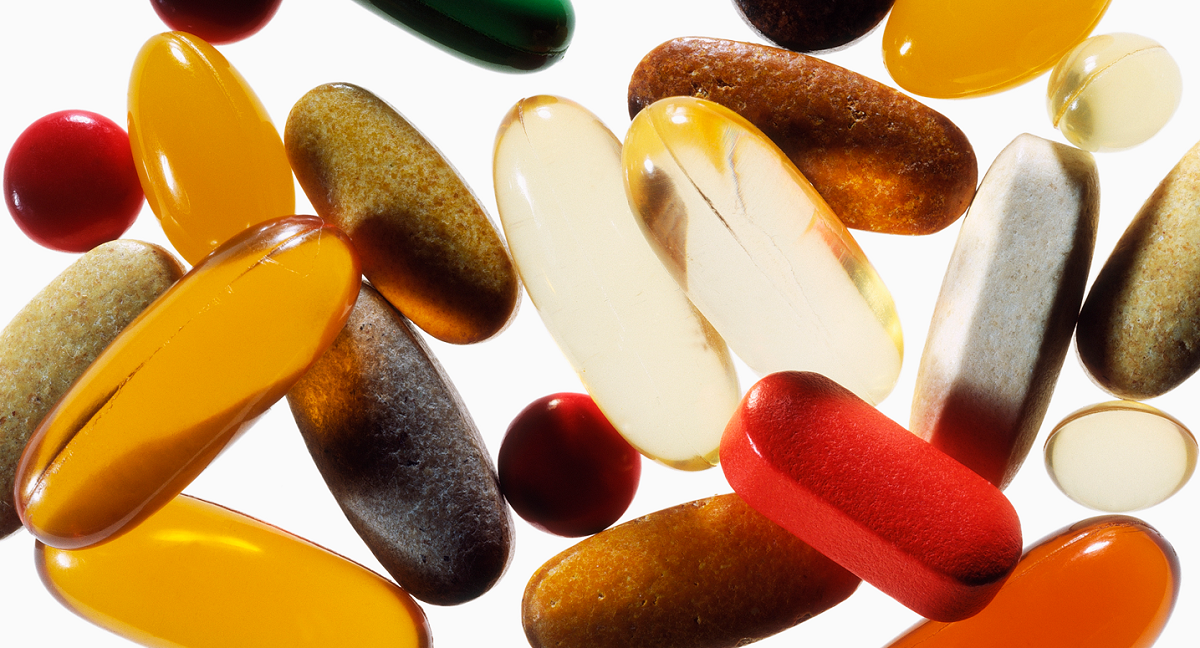
Dietary supplements include such ingredients every bit vitamins, minerals, herbs, amino acids, and enzymes. Dietary supplements are marketed in forms such as tablets, capsules, softgels, gelcaps, powders, and liquids.
What are the benefits of dietary supplements?
Some supplements tin aid assure that you get enough of the vital substances the body needs to role; others may aid reduce the run a risk of illness. But supplements should not replace complete meals which are necessary for a healthful diet – and then, be certain you eat a diversity of foods as well.
Different drugs, supplements are not permitted to be marketed for the purpose of treating, diagnosing, preventing, or curing diseases . That means supplements should not brand disease claims, such as "lowers loftier cholesterol" or "treats heart disease." Claims like these cannot be legitimately made for dietary supplements.
Are there any risks in taking supplements?
Yes. Many supplements contain agile ingredients that have strong biological effects in the body. This could make them unsafe in some situations and hurt or complicate your health. For example, the post-obit actions could lead to harmful – even life-threatening – consequences.
- Combining supplements
- Using supplements with medicines (whether prescription or over-the-counter)
- Substituting supplements for prescription medicines
- Taking also much of some supplements, such as vitamin A, vitamin D, or iron
Some supplements can also take unwanted effects before, during, and later on surgery. So, exist sure to inform your healthcare provider, including your pharmacist about whatever supplements you are taking.
Some Mutual Dietary Supplements
- Calcium
- Echinacea
- Fish Oil
- Ginseng
- Glucosamine and/or
- Chondroitin Sulphate
- Garlic
- Vitamin D
- St. John's Wort
- Saw Palmetto
- Ginkgo
- Green Tea
Notation: These examples do not correspond either an endorsement or approving by FDA.
back to meridian
Who is responsible for the safety of dietary supplements?
FDA is not authorized to review dietary supplement products for safety and effectiveness before they are marketed.
The manufacturers and distributors of dietary supplements are responsible for making sure their products are prophylactic Earlier they go to market place.
If the dietary supplement contains a NEW ingredient, manufacturers must notify FDA nearly that ingredient prior to marketing. However, the notification will only be reviewed by FDA (not canonical) and only for prophylactic, not effectiveness.
Manufacturers are required to produce dietary supplements in a quality manner and ensure that they do non contain contaminants or impurities, and are accurately labeled according to current Practiced Manufacturing Practice (cGMP) and labeling regulations.
If a serious problem associated with a dietary supplement occurs, manufacturers must report it to FDA as an adverse event. FDA can take dietary supplements off the marketplace if they are found to be unsafe or if the claims on the products are false and misleading.
How tin can I discover out more about the dietary supplement I'm taking?
Dietary supplement labels must include name and location data for the manufacturer or distributor.
If you want to know more than about the product that you are taking, check with the manufacturer or distributor about:
- Information to back up the claims of the production
- Information on the condom and effectiveness of the ingredients in the product.
How can I be a smart supplement shopper?
Exist a savvy supplement user. Here's how:
- When searching for supplements on the internet, use noncommercial sites (e.g. NIH, FDA, USDA) rather than depending on information from sellers.
- If claims sound too adept to be true, they probably are. Exist mindful of product claims such equally "works amend than [a prescription drug]," "totally safe," or has "no side effects."
- Be aware that the term natural doesn't always ways safe.
- Ask your healthcare provider if the supplement you're considering would be safe and beneficial for you.
- E'er think – safety first!
Report Issues to FDA
Notify FDA if the use of a dietary supplement caused you or a family member to have a serious reaction or illness (fifty-fifty if you are not certain that the production was the cause or you did not visit a physician or clinic).
Follow these steps:
- Stop using the product.
- Contact your healthcare provider to notice out how to have care of the trouble.
- Report problems to FDA in either of these ways:
- Contact the Consumer Complaint Coordinator in your area.
- File a prophylactic report online through the Safety Reporting Portal.
Learn more than about dietary supplements.
back to acme
Source: https://www.fda.gov/food/buy-store-serve-safe-food/what-you-need-know-about-dietary-supplements
0 Response to "mayo clinic herbal supplements what to know before you buy"
Publicar un comentario